Website positioning in 2026: a practical guide for small businesses
How to position your website on Google in 2026. A practical guide for small businesses: actionable steps, common mistakes and realistic results.
Positioning your website on Google is no longer optional
There is a search term that has grown 900% in recent months: "website positioning". It is no coincidence. Small business owners are realising that having a website is not enough — they need people to find it.
The reality is harsh: if your website does not appear on the first page of Google, it is like having a shop on a street with no foot traffic. It exists, but nobody sees it.
93%
of online experiences start with a search engine. If you are not on Google, you do not exist for your audience
This guide is not theory. These are the concrete actions we apply with our clients to position their websites on Google. No fluff, no unnecessary jargon, with measurable results.
The 3 pillars of website positioning
SEO rests on three pillars. If one fails, the other two cannot compensate. Here is how it works:
1. Technical SEO — the foundations
Your website must be technically solid so Google can crawl, understand and index it correctly. This includes:
- Page speed — Google measures your Core Web Vitals and penalises slow websites. A website that takes more than 3 seconds to load loses 53% of visitors. We explain this in detail in why your website speed is costing you customers.
- Responsive design — 65% of traffic is mobile. Google uses mobile-first indexing, so if your website does not look good on mobile, you lose rankings directly. Here is why responsive design is essential.
- Clean structure — descriptive URLs, correct heading hierarchy (H1, H2, H3), XML sitemap and robots.txt properly configured.
- HTTPS required — without an SSL certificate, Google marks your website as "not secure" and penalises you.
Quick test
Go to PageSpeed Insights and analyse your website. If your mobile score is below 50, you have a technical problem that is holding your rankings back.
2. Content — what Google shows
Google ranks pages, not websites. Every page on your website is an opportunity to rank for a different search. For that you need:
- Real keywords — not the ones you think your customers search for, but the ones they actually search for. Tools like Google Keyword Planner show you exact volumes.
- Valuable content — answering real questions your audience has. If you run a dental clinic, a page explaining "how much does a dental implant cost" attracts patients who are evaluating their options.
- Optimised meta tags — title and description that include your main keyword and invite the click. Google shows them in search results.
- Fresh content — Google rewards updated content. A blog with useful, current articles ranks better than a static website. We explain how to write web content that sells.
3. Authority — your website's reputation
Google trusts websites that other sites recommend. Authority is built with:
- Google Business Profile — essential for local SEO. If you have a business with a physical location, this guide explains how to optimise it.
- Quality links — when other websites link to your content, Google interprets it as a vote of confidence.
- Reviews and ratings — Google reviews directly affect local ranking.
- Consistent presence — your name, address and phone number must be identical across your website, Google Maps, directories and social media (NAP consistency).
7 concrete actions to position your website today
You do not need to do everything at once. Start with the ones that have the most impact in your case:
1. Audit your website with real data Before touching anything, measure. PageSpeed Insights for performance, Search Console for visibility on Google. Without data, you are guessing.
2. Optimise your meta tags Every page needs a unique title (50-60 characters) and an attractive description (120-155 characters) that include your main keyword. It is the first thing users see on Google.
3. Create a page for each service If you offer 5 services, you need 5 optimised pages. A generic "services" page does not rank for anything specific.
4. Claim your Google Business Profile Free, takes 15 minutes and is the most important factor for local SEO. Upload real photos, respond to reviews and keep your hours updated.
5. Improve page speed Compress images, remove unnecessary scripts and use quality hosting. The difference between loading in 5 seconds and 1.5 seconds can mean 30% more conversions.
6. Publish useful content regularly One article per month answering real questions your customers have. You do not need a journalist — you need to talk about what you know with clarity.
7. Get quality links Local directories, chambers of commerce, collaborations with other businesses in your area. Do not buy links — Google detects it and penalises you.
The 5 mistakes that hold back positioning the most
After auditing hundreds of small business websites, these are the mistakes we see over and over:
Not having a modern website
A website built on WordPress with a 2018 template, outdated plugins and 6-second load times. Google penalises it and users leave. We have analysed this problem in detail in why WordPress and Wix are limiting your business.
Ignoring mobile
65% of searches are done on mobile. If your website is not responsive, you lose rankings and customers simultaneously.
Not measuring anything
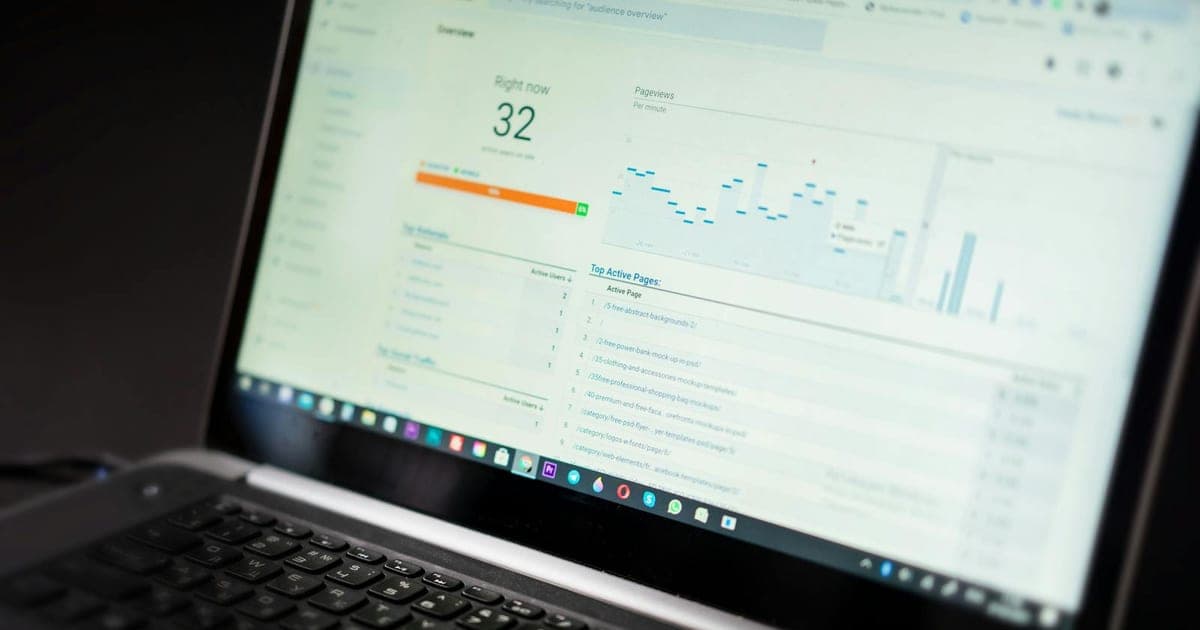
Without Google Search Console you do not know which keywords you rank for, how many impressions you get or how many clicks you receive. You are flying blind.
Obsessing over the wrong keywords
Many small businesses optimise for what they think their customers search for. But the data tells a different story. For example, restaurant owners think people search for "restaurant web design", when they actually search for "online reservations restaurant" or "digital menu".
Expecting immediate results
SEO is not advertising. You do not pay and appear tomorrow. It is an investment that starts bearing fruit between 3 and 6 months, but once you rank, traffic is free and sustainable.
Website positioning is a medium-term investment. Results are not immediate, but once you reach the first page of Google, traffic is organic, free and growing.
How long does website positioning take to show results
The honest answer: it depends. But these are the ranges we see in practice:
- Month 1-2: Technical audit, error correction, on-page optimisation. Google starts re-crawling your website.
- Month 3-4: First ranking improvements. Low-competition keywords start climbing.
- Month 5-6: Visible results in traffic. Main keywords reach the first page.
- Month 6-12: Consolidation. Organic traffic grows sustainably.
Real data
For a local small business with moderate competition, reaching the top 5 for main keywords typically takes between 4 and 8 months with consistent work. For highly competitive sectors (estate agents in London, dentists in Manchester), it may take longer.
SEO or advertising? It is not one or the other
Many small businesses wonder whether to invest in SEO or Google Ads. The answer: both complement each other.
- Google Ads gives you immediate results but you pay for every click. When you stop paying, you disappear.
- SEO takes longer but traffic is free and growing. Once you rank, cost per visit tends towards zero.
The smart strategy: use Ads to generate customers short-term while SEO works in the background. When organic positioning takes off, gradually reduce your Ads investment.
How to choose who to trust with your website positioning
The market is full of "SEO experts" who promise first page in a month. Before hiring, ask:
- What tools do you use for the audit? — if they do not mention Search Console, PageSpeed or technical analysis tools, be sceptical.
- How soon do you expect results? — if they promise first page in less than 3 months for competitive keywords, they are not being honest.
- How do you measure success? — rankings, organic traffic and conversions. Not impressions, not vanity metrics.
- Can I see real cases? — ask for examples of websites they have positioned. If they cannot show results, they do not have them.
Your next step
If your website has gone months (or years) without generating organic traffic, the problem is not Google — it is that your website is not ready to rank.
The first step is always the same: audit your website with real data. Set up Google Search Console if you have not already, analyse your performance on PageSpeed Insights and check whether you are appearing in the searches that matter to you.
If you would rather we do it for you, we analyse your website free in 24 hours. No commitment. We send you a report with exactly what is holding your positioning back and which actions to prioritise.