Report: the digital presence of U.S. restaurants (2026)
We analysed the digital state of the U.S. restaurant industry using NRA, Toast, Google and BrightLocal data. Key findings here, full PDF report free.
A $1.1 trillion industry competing with ten-year-old websites
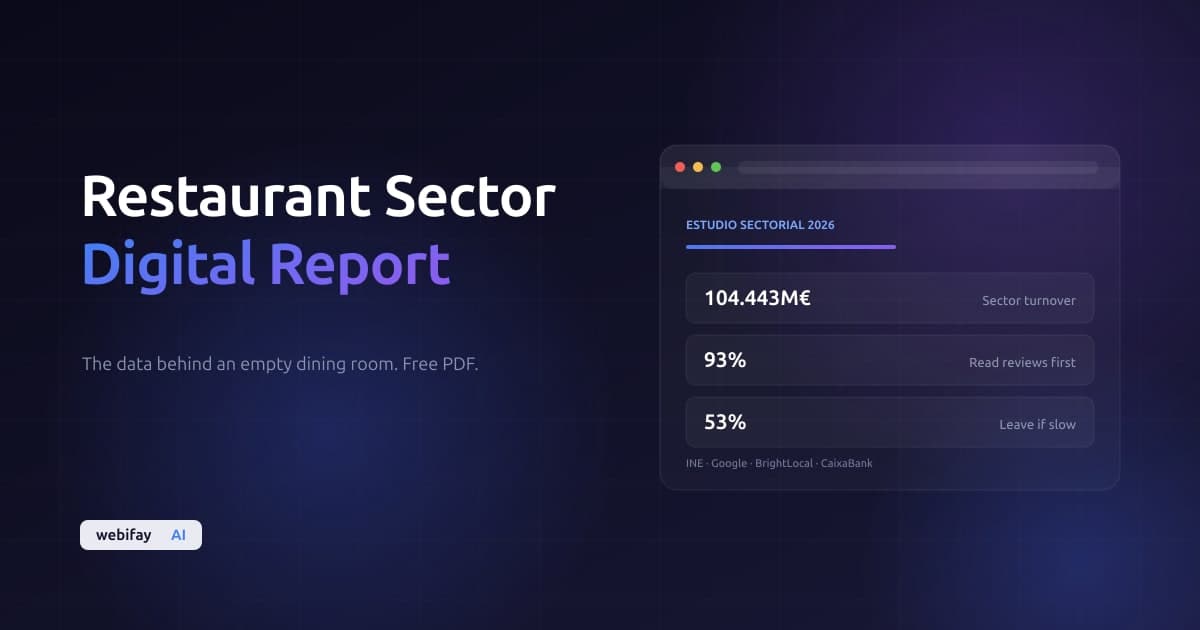
We've published webifay's first industry report: an analysis of digital presence across the U.S. restaurant industry, using data from the National Restaurant Association, Toast, Google and BrightLocal. Twelve pages, every source cited, no sign-up to download it.
This article is the summary. The full report is at the end.
$1.1T
in projected U.S. restaurant industry sales for 2025 (National Restaurant Association)
The four findings that surprised us most
1. The industry is overwhelmingly small, independent — and under-equipped
Nine in ten U.S. restaurants have fewer than 50 employees, and independents make up over 70% of all restaurants. The food services sector employed 12.3 million people as of late 2025 (Bureau of Labor Statistics).
That matters because those independents are exactly the ones most likely to be running outdated or non-existent digital infrastructure — and the ones with the most to gain from fixing it.
2. 90% of diners check you online before they show up
Toast's 2025 report is unambiguous: 90% of diners research a restaurant online before deciding where to eat, and 77% check the menu on the restaurant's own website before visiting.
Pair that with Google's own Core Web Vitals data — 53% of mobile users abandon a site that takes over three seconds to load — and the maths gets uncomfortable. More than half of the people who found you through search leave before they see a menu or your opening hours.
Why this hits restaurants harder than other sectors
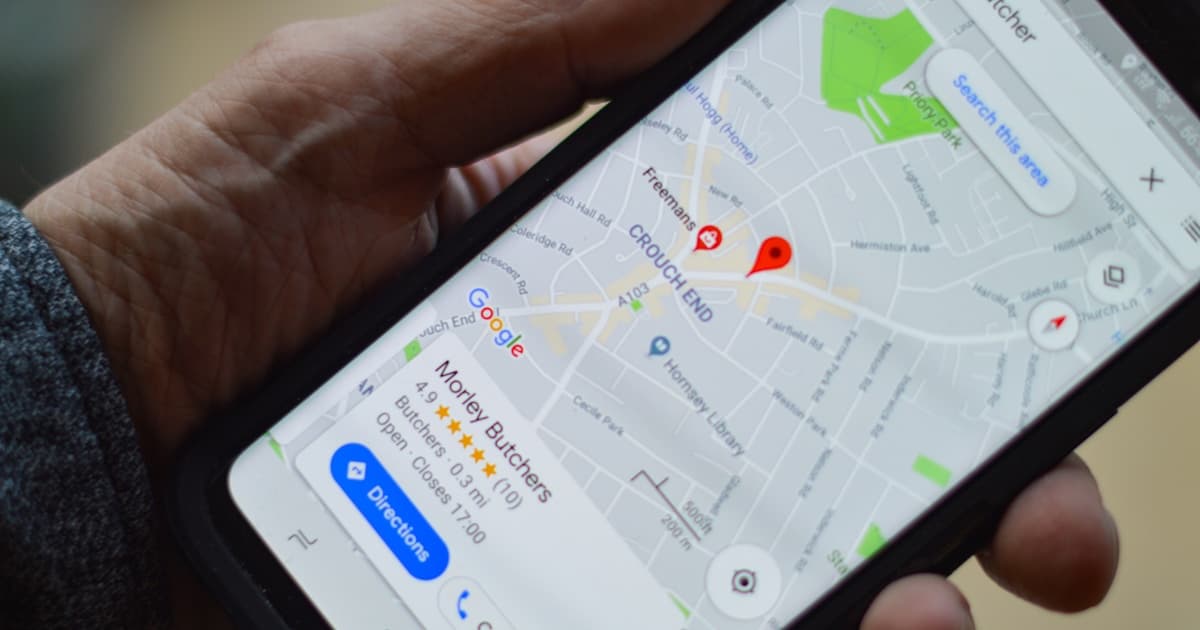
When someone searches "italian restaurant near me", Google shows a local pack with three results. Being in those three or not is the difference between a full dining room and an empty one — and position in that pack depends directly on your Google Business Profile, your reviews and consistent NAP data.
3. Reviews aren't opinion — they're distribution
98% of consumers read online reviews for local businesses, and restaurants are the most reviewed category of all. Restaurants with fewer than 30 reviews or a rating below 4.2 stars rarely make the local pack, regardless of how good the food is.
The number that makes this a revenue conversation rather than a marketing one: Harvard Business School research found a one-star increase in Yelp rating leads to a 5-9% revenue increase for independent restaurants. If you want to act on this now, we have a practical guide on getting Google reviews and handling the bad ones.
4. Third-party platforms are renting you your own customers
DoorDash, Uber Eats and Grubhub now account for roughly 25% of U.S. restaurant orders (McKinsey). They bring reach — and charge 15-30% commission per order while owning the customer relationship outright.
Restaurants with strong direct channels (their own site with online ordering, an optimised Google profile, a managed social presence) keep higher margins and build a customer database they actually own instead of an audience they rent.
The good news in this report is the same as the bad news: the industry standard is so low that you aren't competing against digital excellence — you're competing against digital neglect. Every improvement pays off disproportionately.
Download the full report
The twelve pages include the market data with its sources, the real cost of a poor website, sector indicator charts and a phased action plan.
And there will be more
This is the first of a series: we'll publish an industry report periodically, same format and same standard — verifiable data, cited sources, no sign-up to download. Dental clinics, real estate, gyms and beauty salons are already in the pipeline.
If you run a restaurant and want to move from the data to concrete changes, start with restaurant websites: bookings and local SEO and how to show up on Google Maps.
Prefer that we take a look? We build websites for restaurants with online booking, a menu that loads fast on mobile and a Google profile that's actually finished. Tell us about your case and we'll tell you where you stand against the numbers in this report.